

• 18 Posts
  • 37 Comments
Joined 6 months ago
cake
Cake day: September 28th, 2025

help-circle

  • Unfortunately after looking over all of the videos within the Google link for the additional documention, although a really cool concept it looks to be far from “functional”. The rocket quickly begins to fly erratically in all videos, never seeming to stabilize or correct its trajectory which defeats the point of all “guided” electronics.

    This may be due to the poor motor casting using sugar propellant causing sporadic burn and thrust characteristics.

    Either way it’s a very cool concept but seems to be far from a reliable finished design.


  • Gyroid baffles in 17-4 or inconel sure, but even in PA6-CF that’s going to be a no go. The material will simply be too thin and will either deform rapidly or break due to the forces especially if close to the blast chamber where pressures are the highest. What caliber are you making this for, barrel length, and what material/thickness is the airsoft suppressor? There’s a reason every 3D printed suppressors design that works for any reasonable number of rounds has thick walls and infill, you need that density to hold up to the pressure and forces at hand.


  • The FTN.5 seems to be the quietest can at the moment.

    Short and lightweight will always mean louder, its just the tradeoff you have to make. Larger with more baffles tends to mean quieter with the tradeoff of size and weight. Although being 3D printed the weight isn’t anything like 17-4 stainless or inconel.

    I’m working on a 22lr version of the B&T MP9 reduced back pressure can. It’s a flow through but massive for a 22lr so the increased volume should make it pretty quiet. But shes big. Unlike most print in place cans, this will need printed individually and assembled due to overhangs and support constraints. It’s direct thread for a 3/4x16 to 1/2x28 adapter. Still a work in progress though.

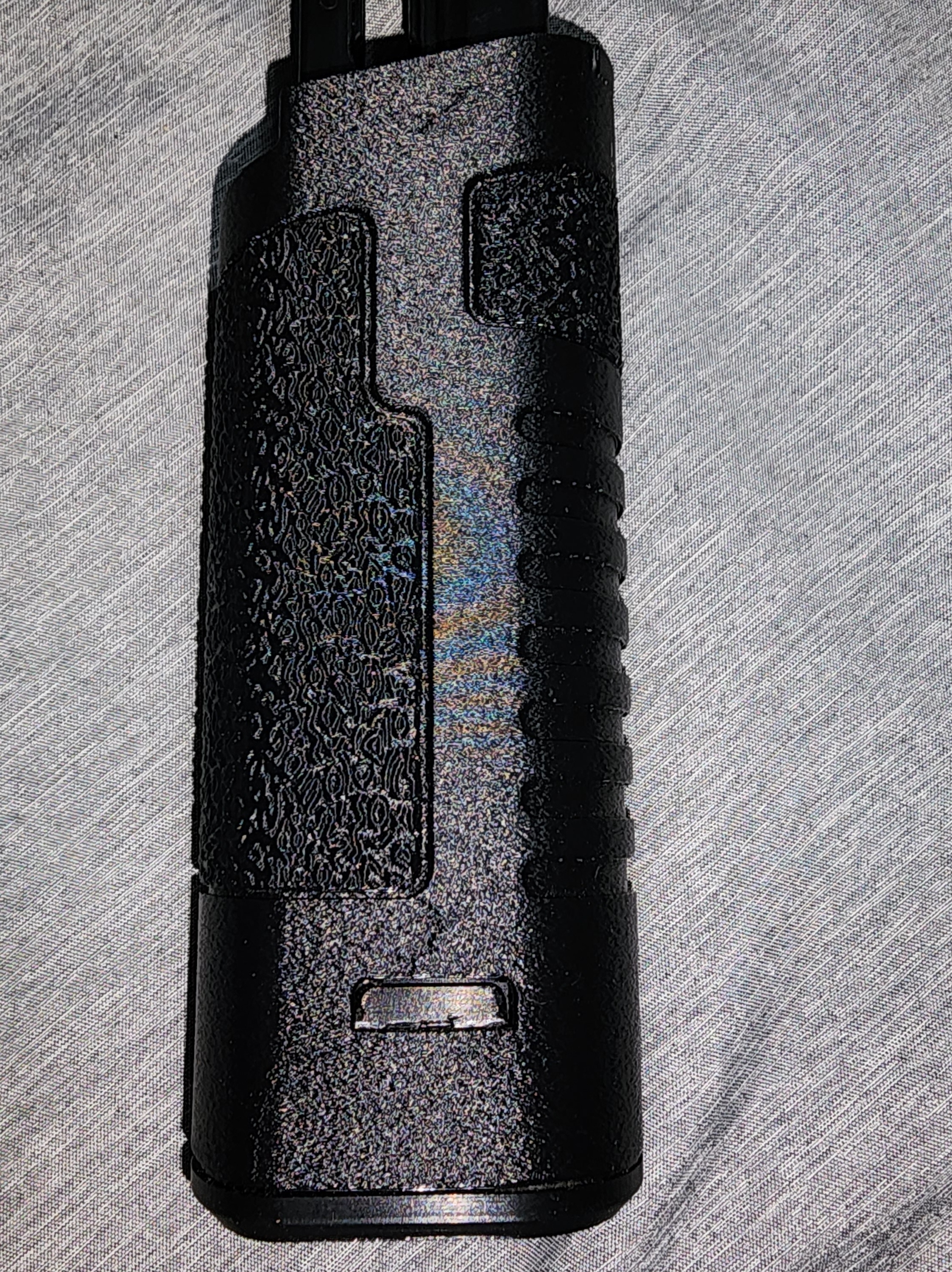
    1000043982 1000043984 1000043985 1000043986


  • I was about to release it but took some suggestions on reddit and closed in the bottom of the chassis adding a molded section for the rear 5mm of the beavertail and holes on either side for the rear-most pin in the frame. This way the rear of the TX22 is secure, this should eliminate any potential for the charging handle to jump past the rear sight. I need to verify the pin placement and the beavertail geometry as the model of the lower I was using is rough.

    Im also playing around with the front geometry to fit FTN 3, FTN 4, FTN 5, Dim it Down, and the new OP22 if possible.

    I’ll try to get something out in beta this weekend.


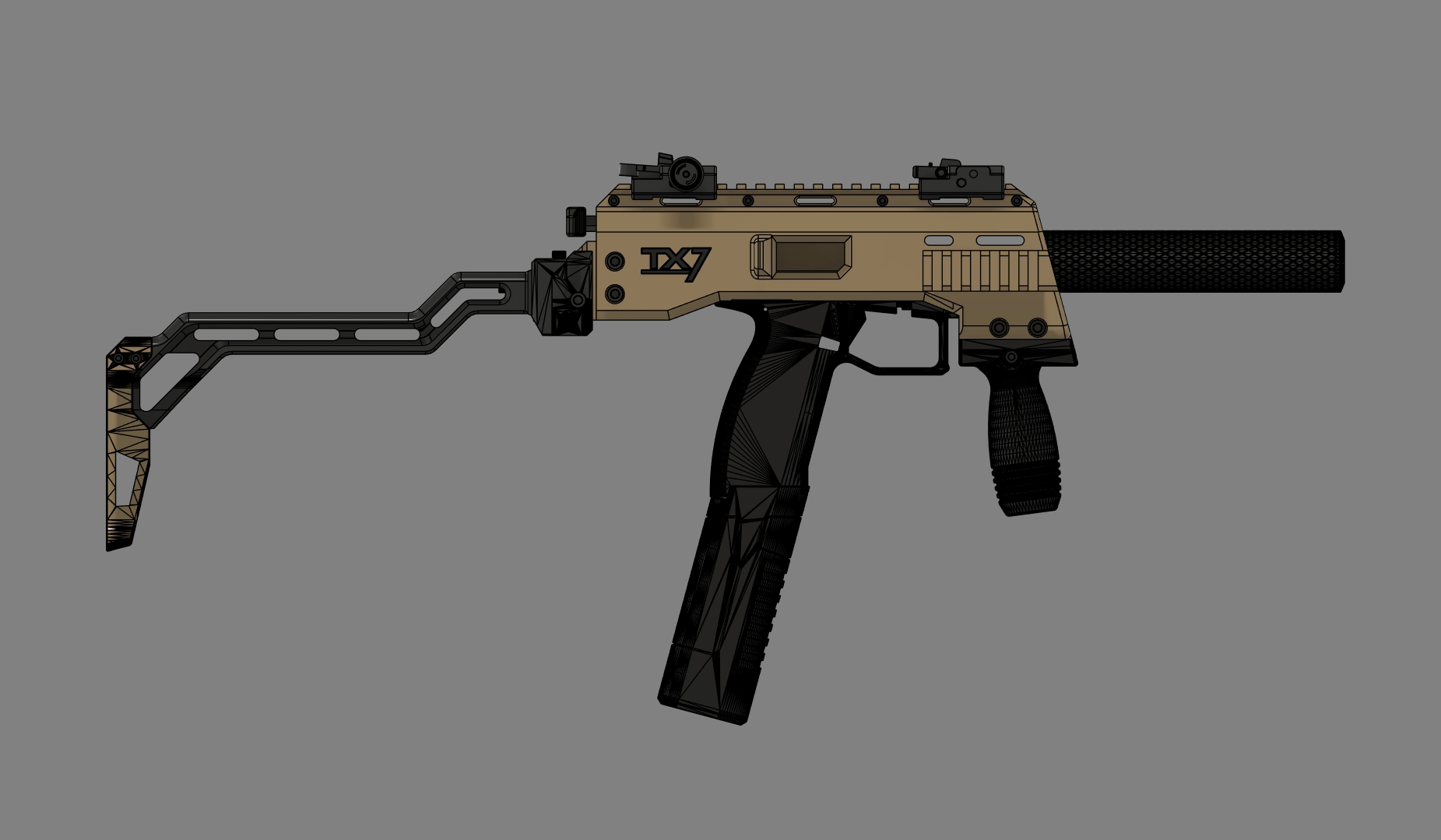
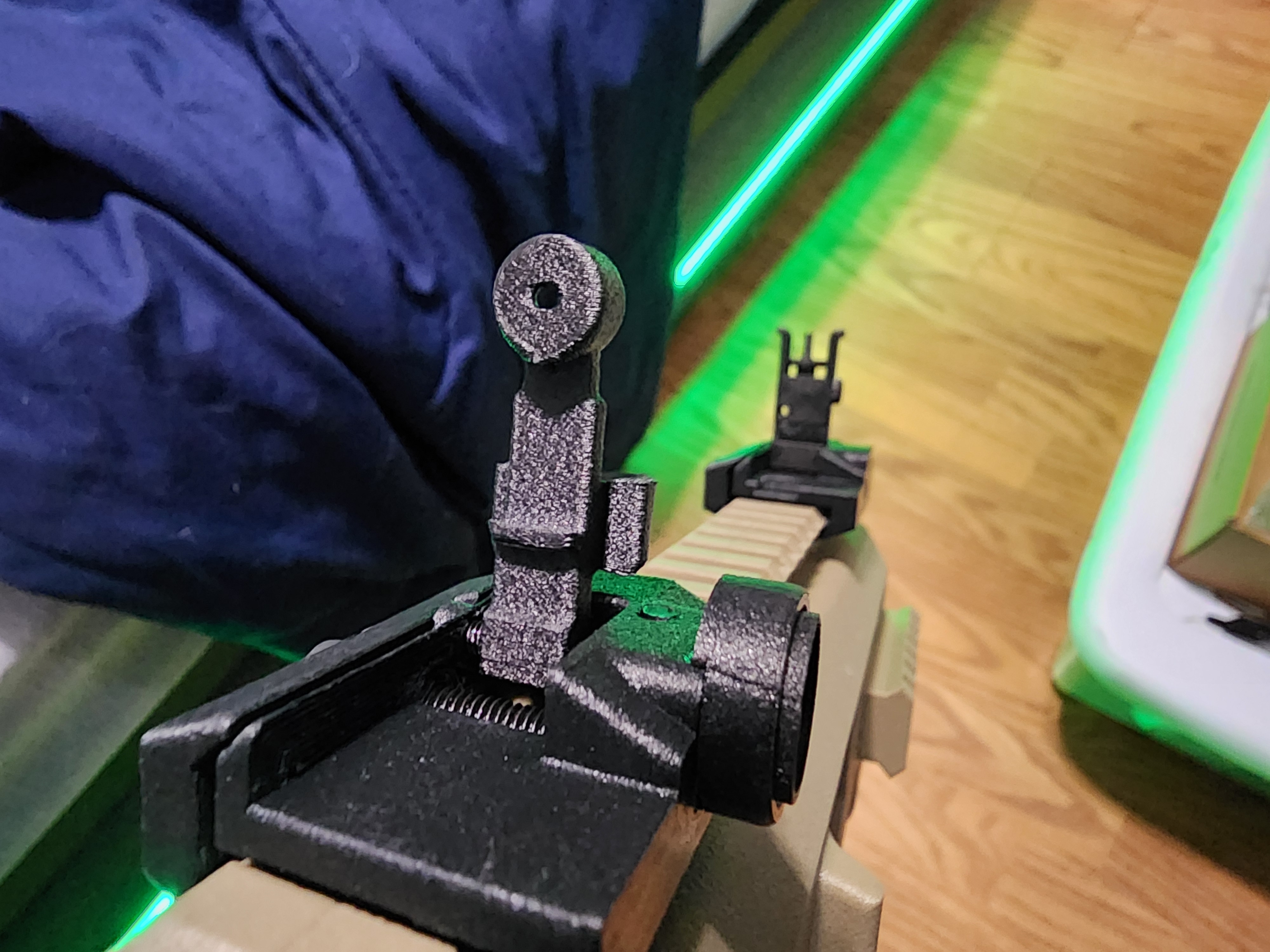
  • Appreciate it, im still making progress but will likely wait until the full TX7 project is finished to release it all together. The rear peep sight may benefit from being drilled out just to get as clean of a hole as possible.

    1000042367

    1000042365

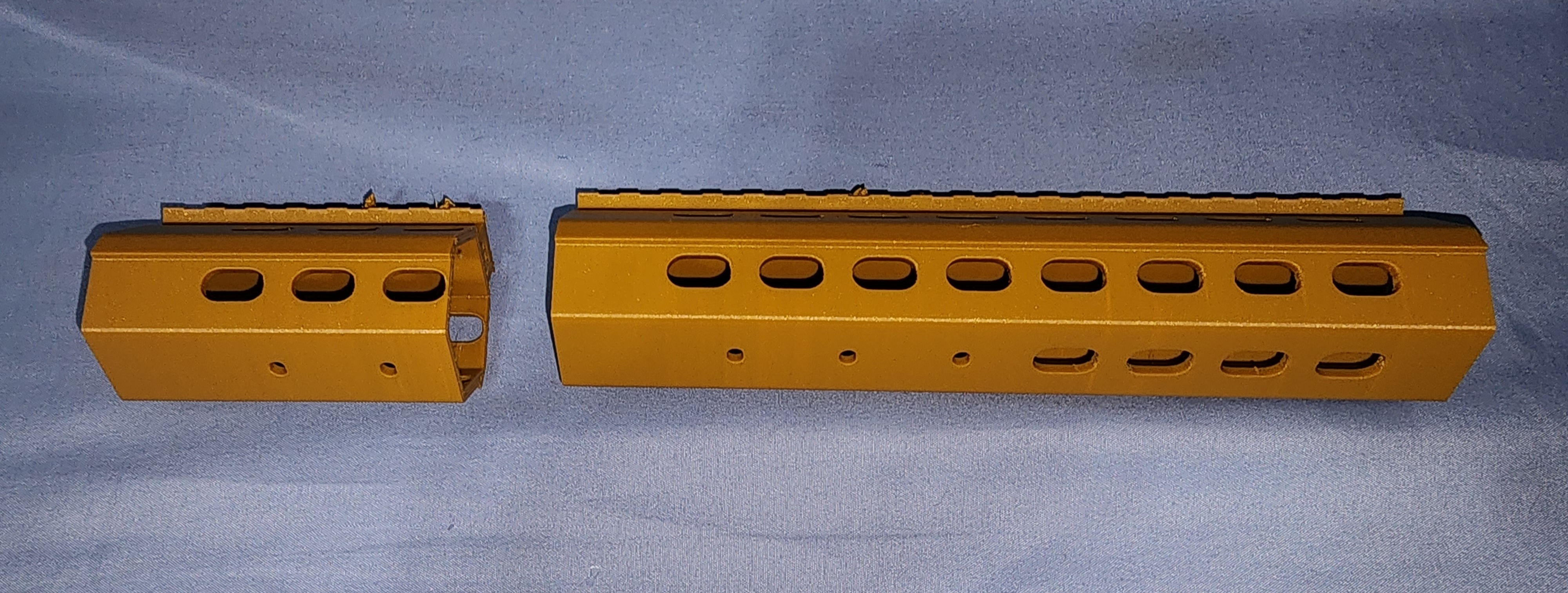
    Next I’ll be designing an 87° “angled” folding grip modeled after the MP7. Im also opening up the front of the TX7 Chassis to allow for suppressor usage.


  • You can get away with cheap LPKs but only if you understand how the glock FCG functions. The cruciform and connector can sometimes need adjusted with slight bends, or the housing may be out of spec and require adjusting.

    However for those that don’t know those components and how they should interact they should definitely buy OEM and save themself the trouble and risk of an ND.

    As an example: The cruciform holds back your striker which is under spring pressure, bending that cruciform up and down very slightly changes the engagement of the striker, too much and it wont fire, too little and the striker can slip. Add onto that, many cheaper kits have weak springs, and the odds that the slipped striker could bypass the drop safety increases, which results in the gun going off in a holster or when dropped. Id highly suggest watching JohnnyGlocks videos for anyone interested as he’s a true expert when it comes to glock triggers.


  • Possibly if you use stainless steel mesh as a reinforcing layer within the silicone. I used a silicone baffle in some smoke grenade designs to reduce flare up, however silicone alone wasnt enough and was being ripped apart and yetted from the canisters. Once I added stainless mesh used for screen doors it worked well. The problem is see with this, is the mesh would need a hole drilled through it which means the area of the silicone that would sheer away would still be left unsupported.


  • Absolutely, his mixes are by far the best DIY options out there. But serious warning, to be careful and never mix both fuel and oxidizer together mechanically. He just recently had a bad accident and blew his truck up by accidentally doing so. No these mixes arent as dangerous as synthesizing explosives, but an accident can still take your vision or leave you with chemical burns requiring skin grafts.

    All of that to say, just be careful and work with chemicals separately to avoid potential accidents.