
• 1 Post
  • 12 Comments
Joined 2 years ago
cake
Cake day: June 28th, 2023

help-circle


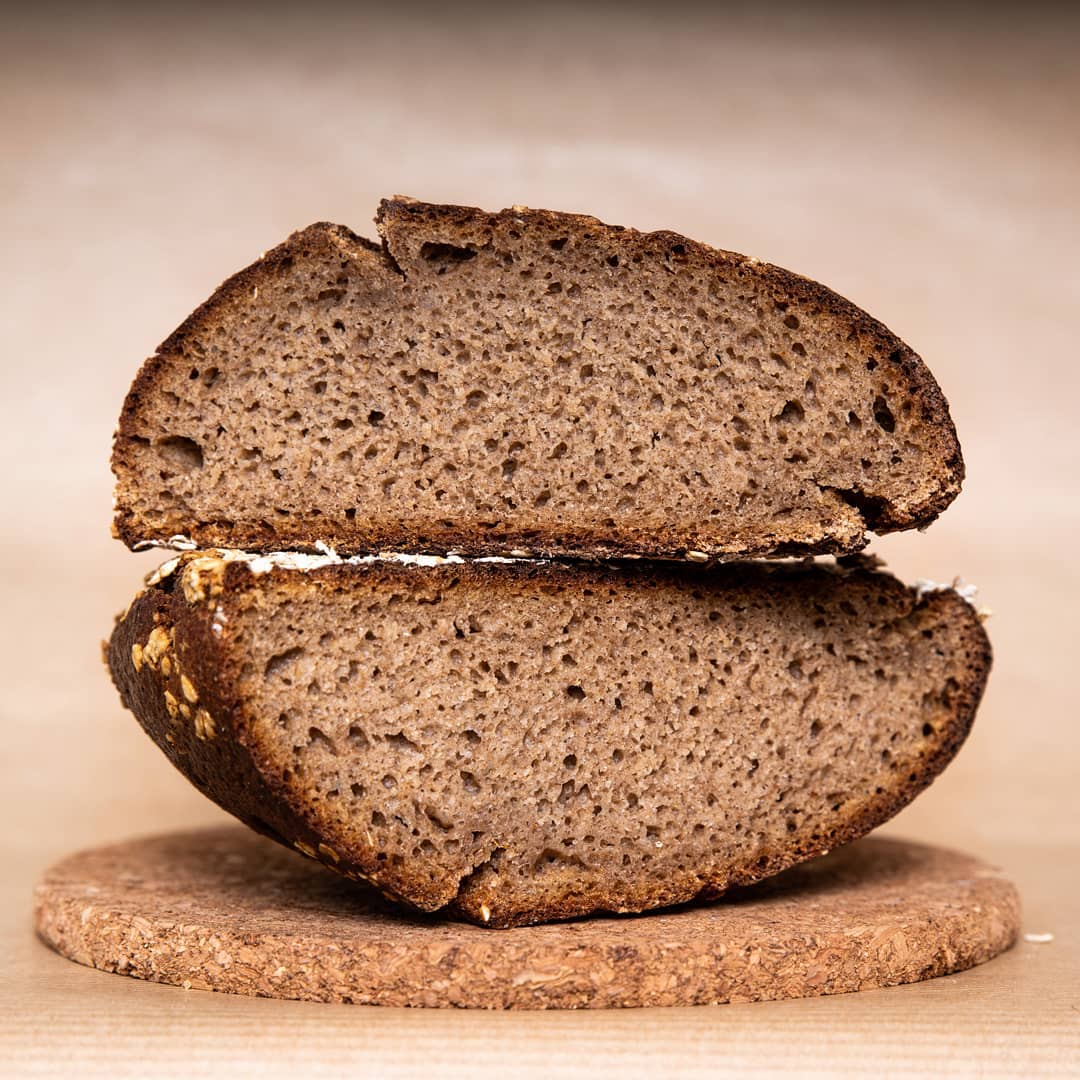
  • Omg my math was wrong! I didn’t even realize. I usually use 320g water, not 360g, because I’ve been bad with manipulating high hydration doughs but this might be the main reason this one is so good.

    Thanks for noticing that.

    And about autolyse, you mean you’ve already added yeast/strater in the evening before putting it in the fridge? I thought autolyse only worked without it because the fermentation was already started.


  • Yeah I should try that too. I’m a bit afraid of autolyse since -If I understand it correctly- I’d have to mix in the yeast after the rest of the dough has already come together. That might be easy with a starter, but the small amount of yeast I use makes me feel like it could end up by not spreading throughout the dough, and even having patches of yeast at some spots. But I might be overthinking it.

    If you’re right about the second poolish doing all the heavy lifting, it means the first one was entirely useless, right?


  • I don’t know, it just feels very convenient that wealth is considered money whenever is useful to the rich, and turns back into “wealth” a second later.

    What I find unacceptable is the double standard. I’ll keep the Musk example: a few banks and a few private companies made loans (which need to be reimbursed with real money) for Musk buying Twitter. A part of the exchange money came from the value of his own shares of Twitter (deducted from the 44b). Before that he has sold lots of Tesla shares which apparently gave him $20b in cash

    Why do we accept that this not-money money can be turned into real money whenever convenient, but cannot be taxed the rest of the time?

    There’s a problem with how we accept to think of financial money. If it can’t be taxed, then out shouldn’t be defined as being an equivalent of real-economy money. Or maybe it should be evaluated in a more realistic way?

    Not saying I have easy answers, but there’s clearly a problem IMO.


  • I’ve been told that the idea behind the law was (at least among other things) a matter of fair competition. That if a shop started discounting like crazy on just one item, folks would get inside for it and eventually would be shopping there only. And most times, the bigger store has an easier making those discounts because they have a safer profit margin where the loss will largely be compensated by the variety of items a single customer can buy in a single visit. Now it doesn’t mean that there isn’t other mecanics that could invalidate this reasoning, but it’s the main argum that was appare put forward in the discussions.