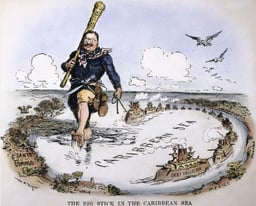
Britain couped iran twice to put the Pahlavi dynasty in power. The lion was put on the flag by the shah and removed by the Islamic revolution.
- 12 Posts
- 1.54K Comments
Joined 3 years ago
Cake day: July 24th, 2023
You are not logged in. If you use a Fediverse account that is able to follow users, you can follow this user.
He didn’t, but he has unit tests for them.


 10·7 days ago
No, it’s spite coded.
 22·8 days ago
I thought that was well known. AI in the military is for laundering decisions, not making them.


Wie oft änderst du deine Meinung?
Bitte nutzeArc<RwLock<Meinung>>damit mehrere deine Meinung gleichzeitig zum entscheiden nutzen können.

The birds outside have chirped for you, before you even asked.

Wenn die Meinung an mehrere verliehen wird, kann man sie nicht mehr ändern.

 30·10 days ago
Woman, alive (optional)
That’s actually how it works for workers in Germany. If you hand in a doctors note for sick time during holidays, you get those days back.
 3·11 days ago
Did you ever hear the tragedy of the swede with the Carl Gustaf?
I thought not. It’s not a story the exercise planers would tell you. It’s a internet forum legend.
The swede was a weapons operator, so powerful and so wise he could use the power supply to influence his simulator to reload instantly… He had such a knowledge of the timing that he could even keep the ammunition he carried from being used up. The hard reboot is a pathway to many abilities some consider to be unnatural.
He became so powerful… the only thing he was afraid of was getting found out, which eventually, of course, he did. Unfortunately, the organizers had to redi parts of the exercise, then his commanding officer chewed him out.
Ironic. He could send tons of HEAT downrange, but he ended up in hot water.
 14·12 days ago
If we learned anything from kalshi, it’s that you can pay people for crimes as long as you go though a marketplace.
So go on ebay, go on craigslist and tell them you want to buy their exact camera model in bulk.
Unless you live next to an olive tree, they are likely green olives colored black.
 6·12 days ago
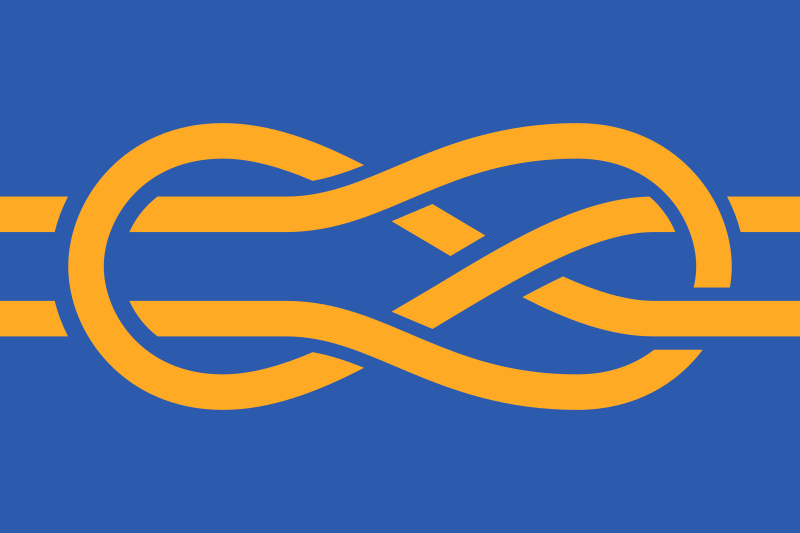
The yellow looks good on a flat image, but on a flag it’s a bit small.
Cocking vinegar or concentrate?
Considering that the Spreewald is a Wald flooded by the Spree, a German river, it is in Germany.
 11·12 days ago
They are giving the tools of oppression a bad rep, can’t have that.



while wearing a tuxedo.